
Dental disease can progress quietly until it affects comfort, appetite, and overall health. A simple, repeatable check at home helps spot early warning signs and makes veterinary visits more productive. Use the checklist approach below to note changes in breath, gums, teeth, and behavior—then decide when it’s time to schedule a professional dental exam and cleaning.
Plaque starts as a soft film, but it doesn’t stay soft for long. When plaque hardens into tartar, it irritates the gums and can create pockets where bacteria thrive. Those pockets may deepen over time, increasing inflammation and discomfort.
Inflamed gums can bleed and become painful, which often shows up as less interest in kibble, chews, tug toys, or even normal play. Some pets keep eating but change how they eat—chewing on one side, taking longer, or dropping pieces.
Oral bacteria and chronic inflammation don’t always stay confined to the mouth. Many veterinarians emphasize dental care—especially for older pets or those with other conditions—because long-term inflammation can affect overall wellness. For more background, see the American Veterinary Medical Association (AVMA) pet dental care overview and the AAHA dental care guidelines for dogs and cats.
Professional dental cleanings also allow a thorough assessment—including below the gumline—where home care can’t fully reach. Many clinics recommend dental radiographs (X-rays) to evaluate tooth roots and detect hidden disease.
Choose a calm moment—after a walk, a meal, or a quiet cuddle. Avoid forcing the mouth open if your pet seems stressed or painful. The goal is a quick, low-pressure look, not a full “exam.”
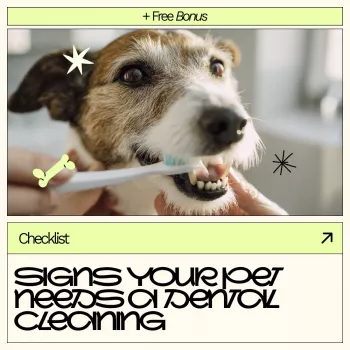
If you want a simple way to keep notes consistent, the Printable dental cleaning signs checklist can be kept on the fridge, added to a pet-care binder, or shared with caregivers.
Mark any signs you’ve noticed in the last 2–4 weeks and track whether they’re getting worse. A single severe sign—bleeding gums, swelling, a broken tooth, or a suspected abscess—warrants prompt veterinary care. Combining visible changes with behavior changes usually paints the clearest picture.
| Sign to monitor | Never | Sometimes | Often | Notes (when noticed, severity, which side) |
|---|---|---|---|---|
| Bad breath that returns quickly after brushing or chews | ☐ | ☐ | ☐ | |
| Yellow/brown tartar buildup along the gumline | ☐ | ☐ | ☐ | |
| Red, swollen, or bleeding gums | ☐ | ☐ | ☐ | |
| Drooling more than usual (especially thick or blood-tinged) | ☐ | ☐ | ☐ | |
| Difficulty chewing, dropping food, chewing on one side | ☐ | ☐ | ☐ | |
| Pawing at the mouth, face rubbing, or head shyness | ☐ | ☐ | ☐ | |
| Reluctance to eat hard food or preference for softer foods | ☐ | ☐ | ☐ | |
| Loose, broken, missing, or visibly worn teeth | ☐ | ☐ | ☐ | |
| Swelling under the eye or along the jaw (possible tooth root issue) | ☐ | ☐ | ☐ | |
| Changes in mood: irritability, hiding, less playfulness | ☐ | ☐ | ☐ |
Mild plaque/tartar often looks like a light yellow film and may come with slightly “off” breath. It’s still worth discussing at the next wellness visit and stepping up daily home care, since early buildup can accelerate quickly.
Gingivitis commonly appears as a red gumline, mild swelling, and bleeding with chewing or brushing. A professional evaluation is recommended to prevent progression, and many pets feel noticeably better once inflammation is addressed.
Periodontal disease tends to involve heavier tartar, gum recession, stronger odor, and sometimes loose teeth. This usually calls for professional cleaning and dental X-rays to assess what’s happening under the gumline.
Urgent red flags include facial swelling, draining tracts, sudden refusal to eat, obvious tooth fracture, heavy bleeding, or signs of severe pain. These should be treated as time-sensitive—contact a veterinarian promptly.
For a ready-to-print option, use the Signs Your Pet Needs a Dental Cleaning – Printable Checklist for Pet Owners. If your pet rides in the car for veterinary visits, keeping your vehicle surfaces easy to wipe down can also help after drool or stress messes; the Car Plastic & Leather Restorer – Back to Black Gloss Coating & Polish is a handy add-on for routine interior upkeep.
It varies by age, breed, and home care. Many pets benefit from annual cleanings, while others may need them more or less often based on a veterinarian’s oral exam and risk factors.
Persistent bad breath can be a sign of dental disease, especially if it returns quickly after brushing or dental chews. If the odor persists or worsens—or you notice tartar, gum redness, or behavior changes—schedule an exam.
Brushing helps slow plaque, but it can’t remove hardened tartar or address problems under the gumline. If signs of disease are present, a professional cleaning and assessment are still needed.












Leave a comment