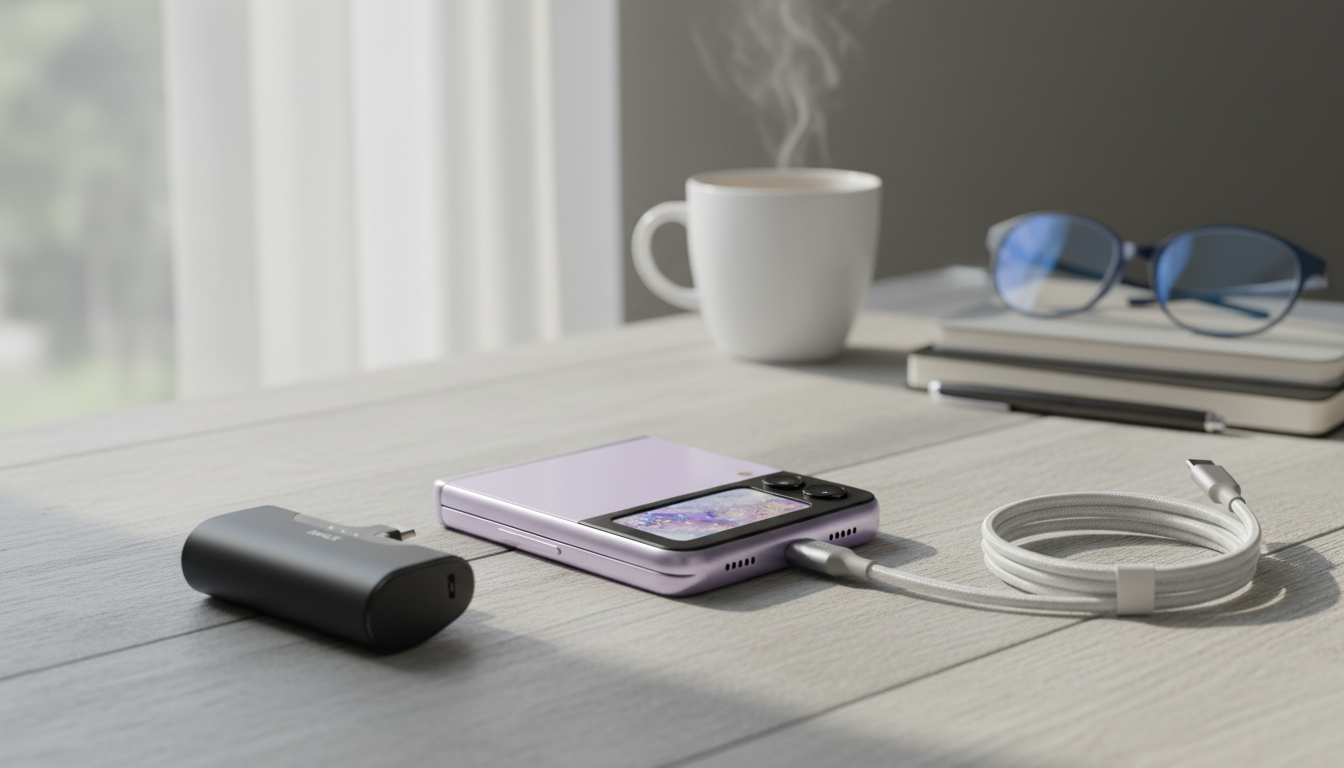
A pocket-friendly power bank can be the difference between finishing the day on 2% and staying connected for calls, maps, and messages. This ultra-compact 4500mAh USB‑C fast charging power bank is designed for quick top-ups on iPhone and Android, with a simple carry-anywhere form factor that suits commutes, travel days, and emergency backups.
| Feature | What it means for use |
|---|---|
| Capacity (4500mAh) | Best for partial charges and extending battery through the day |
| USB‑C charging | Pairs well with modern cables; convenient for many Android phones and newer accessories |
| Fast charging | Faster top-ups when phone and power bank share compatible standards |
| Ultra-compact build | Easier to carry; ideal as a backup rather than a multi-device brick |
| Phone compatibility | iPhone and Android supported with the appropriate cable (USB‑C to Lightning or USB‑C to USB‑C) |
A 4500mAh label is a helpful starting point, but real-world results are always lower than the rated number because power banks must convert voltage and manage heat. In practical terms, a power bank in this capacity class is built to deliver a meaningful boost—enough to keep you going through the afternoon, not necessarily to provide multiple full recharges for larger phones.
Fast charging is a “team effort” between the power bank, the cable, and the phone. Many modern devices use USB Power Delivery (USB‑PD) or other negotiated charging modes that adjust output based on battery level and temperature. If your phone supports fast charging, a USB‑C power bank can deliver quicker top-ups—especially useful when you only have 10–20 minutes before you need to head out.
For deeper background on charging behavior, Apple provides guidance on power adapters and charging basics (Apple Support: About USB Power Adapters), and USB‑IF outlines how USB‑PD works across devices (USB-IF: USB Power Delivery).
Keep the power bank in a jacket pocket or small sling so it’s available when streaming music, scanning tickets, or juggling work messages. A small rescue charge can prevent the end-of-day “battery cliff.”
Outlets can be scarce (or already occupied). A compact bank is an easy way to top up between gates without hovering near a wall plug.
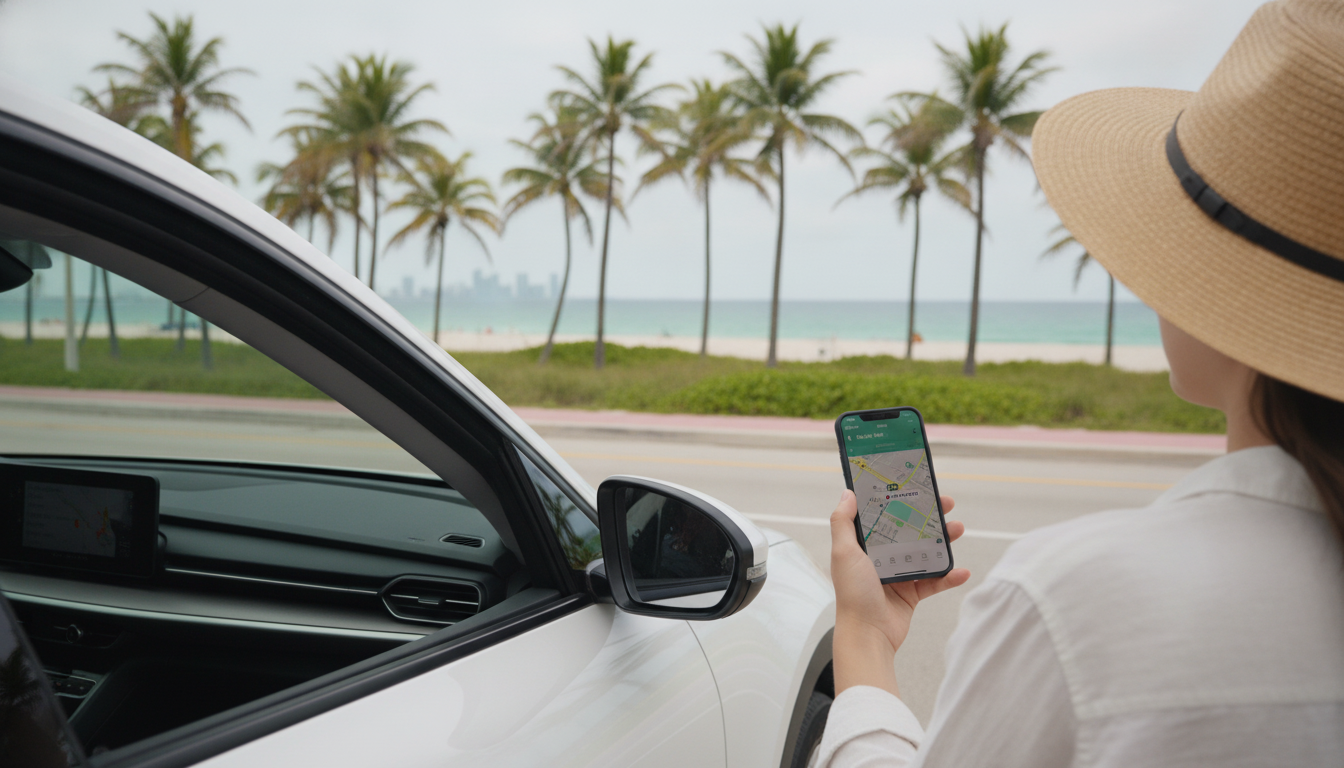
Photos, ride-share apps, contactless payments, and group chats can drain a phone faster than expected. A quick top-up helps you stay reachable when you need it most.
For flight rules and lithium battery guidance, check current recommendations from the FAA (Federal Aviation Administration: PackSafe—Batteries, lithium).
Often it delivers a substantial top-up rather than multiple full charges, because real-world output is reduced by conversion losses and heat. Results depend on your phone’s battery size and what you’re doing while it charges.
Many iPhone models can fast charge from a USB‑C power source when using a compatible USB‑C to Lightning cable and supported charging behavior. Charging speed can vary as the phone manages temperature and battery level.
Use a USB‑C to USB‑C cable for many Android phones and a USB‑C to Lightning cable for iPhones that charge via Lightning. Choosing a reliable, well-made cable helps maintain stable charging and better speeds.











Leave a comment